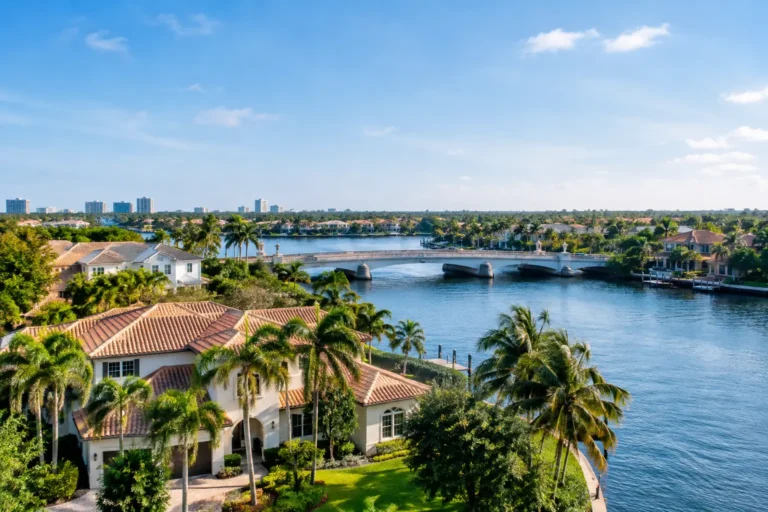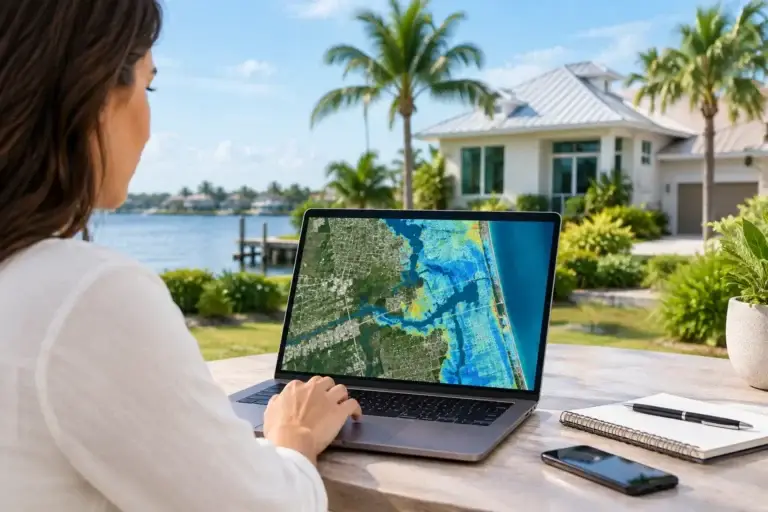
A water view in Boca Raton can mean very different things from one property to the next. This Boca Raton waterfront living guide is designed to help buyers look beyond the view and evaluate the daily experience: the sound of the ocean, the convenience of a dock, building services, exposure to weather, carrying costs, and the lifestyle each location truly supports.
For some buyers, waterfront living means stepping onto the sand before breakfast. For others, it means watching boats pass on the Intracoastal, keeping a boat behind the home, or enjoying a lock-and-leave condominium close to dining and the Boca Raton Resort area. The right choice depends on how you plan to use the home, not simply how close it is to the water.
Start With the Waterfront Lifestyle You Want
Boca Raton offers several distinct waterfront settings, and they should not be treated as interchangeable. Oceanfront residences appeal to buyers who value direct beach access, expansive Atlantic views, and a true coastal address. Intracoastal properties often offer active waterway views, proximity to boating, and sunset-facing exposures that can feel more private than the oceanfront.
Canal-front homes may be especially attractive for boat owners, but the details matter. A property advertised as waterfront may have fixed bridges between the home and the ocean, a limited dock arrangement, or water depths that do not suit your vessel. Before falling in love with a backyard dock, confirm the bridge clearances, dockage rights, seawall condition, water depth, and route to the inlet.
Lakefront homes within gated communities create a different experience altogether. They may offer peaceful views and more attainable maintenance than direct ocean or Intracoastal properties, but they do not provide boating access. For many full-time residents and seasonal owners, that trade-off is worthwhile when the community includes a clubhouse, fitness center, tennis, pickleball, or 24-hour security.
Oceanfront: Beach Access and Building Services
Oceanfront condominium living is a strong fit for buyers who want a low-maintenance residence with a staffed lobby, beach service, valet, fitness facilities, and professional on-site management. Buildings such as The Chalfonte, Sabal Shores, Excelsior, and One Thousand Ocean each offer a different combination of scale, privacy, services, and location.
The key question is not just whether a building sits on the sand. Ask how the beach is accessed, whether chairs and umbrellas are provided, what security coverage exists, and how the building handles package delivery, guests, renovations, and seasonal occupancy. A smaller boutique building can offer quiet and discretion, while a larger full-service property may provide more amenities and staffing. Neither is automatically better.
Oceanfront buyers should also assess balcony exposure carefully. East-facing views can be spectacular, but higher wind, salt air, and sun exposure affect both comfort and long-term maintenance. Impact glass, concrete restoration history, roof condition, reserve funding, and upcoming special assessments deserve the same attention as the view.
Intracoastal: Movement, Light, and Boating Potential
Intracoastal waterfront living offers a front-row seat to South Florida’s rhythm. The view changes throughout the day – boat traffic, shifting light, birds, and evening sunsets can make an Intracoastal residence feel alive in a way the oceanfront does not.
Condominiums along the Intracoastal can be appealing for buyers who want water views while remaining close to Mizner Park, Royal Palm Place, the beach, and Boca Raton’s restaurants. Some communities include dockage, while others do not. If a building offers slips, ask about availability, lease terms, size limits, electricity, waiting lists, and whether ownership is required or dockage is rented separately.
For single-family buyers, the boating conversation becomes even more specific. Deepwater homes with no fixed bridges carry a different value proposition than canal homes requiring passage under one or more bridges. The location of the home relative to the Boca Raton Inlet also affects how often and how easily you can get out to open water.
Boca Raton Waterfront Living Guide: Location Changes the Experience
Waterfront addresses in East Boca Raton are closely tied to lifestyle geography. A residence near Lake Boca Raton puts you near the beach, the Boca Raton Resort area, and downtown activity. A home farther north along the Intracoastal may feel more residential and private, with convenient access to Spanish River Boulevard and neighboring Highland Beach. South-facing and west-facing exposures can influence light, heat, and the character of the view as much as the neighborhood itself.
Buyers who plan to walk frequently should pay close attention to the actual route, not a map pin. A property can be only a few blocks from the beach yet separated by major roads, private gates, or a less pedestrian-friendly stretch of roadway. Likewise, a downtown-adjacent condominium may offer easy restaurant access but more traffic and activity during peak season.
For families, the waterfront decision may also involve school preferences, commute patterns, room for guests, and outdoor space. A condominium can simplify ownership, but a waterfront home may better accommodate a pool, summer kitchen, pets, visiting children, and a boat. The right answer often changes depending on whether the property will be a primary residence, second home, or seasonal retreat.
Look Past the Purchase Price
Waterfront ownership has real operating costs, and informed buyers account for them early. In a condominium, monthly association fees may cover building insurance, reserves, staff, landscaping, water, cable, security, beach service, and amenities. The amount can appear high at first glance, but the services included may reduce the number of responsibilities you manage personally.
At the same time, fees should be reviewed alongside the association’s financial health. Request budgets, reserve information, recent meeting minutes, insurance details, pending litigation disclosures, rental restrictions, pet policies, renovation rules, and any planned capital projects. In older waterfront buildings, concrete restoration, elevators, roofs, balconies, and hurricane-hardening projects can be significant expenses.
Single-family waterfront ownership carries a different set of obligations. Seawalls, docks, lifts, pools, landscape drainage, flood insurance, windstorm coverage, and exterior maintenance all require careful review. A newer home with impact glass and modern systems may provide peace of mind, but verify permits, elevation, construction quality, and the age of major components rather than relying on finishes alone.
Questions That Protect Your Lifestyle and Investment
The best waterfront purchase is usually made after a detailed property-level conversation, not after a quick tour. Before making an offer, clarify whether the view is protected or vulnerable to future development, whether there are easements affecting access, and whether the property has experienced water intrusion or storm-related damage.
For condominiums, understand the rules that affect how you will actually use the home. Some buildings limit leases, require lengthy approval periods, restrict pets by size or number, or limit renovations during season. These policies may be exactly what a buyer seeking a quiet, owner-occupied environment wants. They can be frustrating for an owner who expects flexibility for rentals, visiting family, or remodeling.
For waterfront homes, do not assume a dock is transferable, permitted as built, or capable of accommodating your boat. Seawall and dock inspections are not minor details. They are central to the value and usability of the property.
Choose a Property That Works Beyond the View
A spectacular view should be the beginning of your evaluation, not the end. Visit at different times of day if possible. Notice traffic, marina activity, wind, sunlight, privacy, noise, parking, lobby service, and the distance from your door to the water. In a condominium, spend time in the common areas and ask residents or management how the building operates during season and after storms.
After more than 25 years helping buyers evaluate South Florida communities, Stephanie Kaufman knows that the best matches come from understanding the lifestyle behind the address. A waterfront property should feel as comfortable on an ordinary Tuesday as it does on the day you first see the view. Give yourself room to compare the details, and choose the residence that supports the way you truly want to live.