A luxury purchase is rarely just about selecting the most beautiful home. When buyers ask how to buy luxury property, the real question is usually how to choose a residence that supports the way they want to live – without discovering expensive surprises after closing. In South Florida, that means looking past finishes and square footage to understand the community, the ownership costs, the building or home’s condition, and the daily experience of the location.
The right property may be an oceanfront condominium in Highland Beach, a golf home in Boca Raton, a new-construction residence near Delray Beach, or a low-maintenance villa in a Valencia community. Each offers a distinct lifestyle, and each requires a different level of due diligence.
Start With the Life You Want to Live
Luxury is personal. For one buyer, it means waking up to an unobstructed ocean view and walking to the beach. For another, it means a private backyard, a three-car garage, and access to a championship golf course. A retiree may place more value on a staffed clubhouse, fitness classes, dining, and an active social calendar than on a large lot to maintain.
Before touring homes, decide which parts of daily life are non-negotiable. Consider how often you will use the property, whether family and guests will visit, how much maintenance you want to manage, and whether walkability matters more than privacy. Commute routes, airport access, nearby medical care, schools, restaurants, and cultural venues can all change the value of a location for your household.
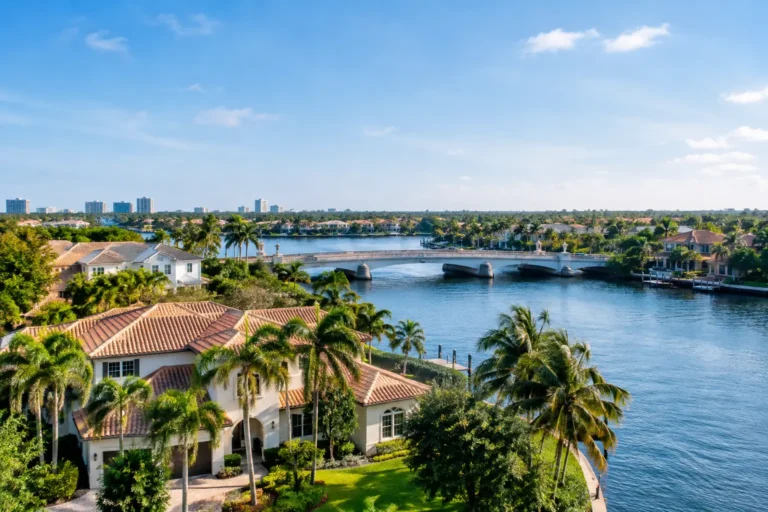
This is particularly relevant in Palm Beach County, where two homes with similar prices can deliver entirely different experiences. A residence in a gated country club community may include a broad amenity package but also require club membership. A waterfront home may offer direct boating access, but bridge clearances, dock condition, seawall maintenance, and insurance costs deserve careful review.
Choose the Right Luxury Property Category
A clear property category keeps a search focused and makes comparisons more meaningful. Single-family homes offer space, privacy, and control, but usually involve more direct maintenance. Luxury condominiums can provide security, ocean access, concierge services, and lock-and-leave convenience, although buyers share responsibility for the building’s financial health.
Townhomes and villas often appeal to buyers who want a private entry and outdoor space with less upkeep than a detached home. New construction can provide current design, impact glass, energy-efficient systems, and modern amenity spaces, yet buyers should still understand completion timing, builder allowances, warranties, and what is or is not included in the base price.
Country club properties deserve their own review process. Membership structures vary widely. Some communities have mandatory equity membership, while others offer optional memberships or separate social, sports, and golf categories. Initiation fees, annual dues, minimum dining requirements, and capital assessments should be understood before an offer is written, not after a contract is signed.
How to Buy Luxury Property With the Right Team
A strong luxury purchase team is not about adding people for the sake of it. It is about having the right expertise at the moments when it matters. A local buyer representative can help distinguish between a home that photographs well and one that is correctly priced for its condition, location, lot, view, and community rules.
An experienced real estate attorney, lender, inspector, insurance professional, and accountant may also be useful depending on the transaction. Cash buyers still benefit from early financial planning. Proof of funds, asset liquidity, estate-planning considerations, and the timing of a sale or transfer can affect negotiating strength and closing efficiency.
For financed purchases, speak with a lender who understands jumbo loans and condominium lending before you become attached to a particular property. Some buildings have reserve, insurance, litigation, rental, or owner-occupancy factors that can affect available financing. A pre-approval is helpful, but it should be tailored to the type of property you intend to buy.
Look Beyond the Home During Due Diligence
The inspection period is where a luxury purchase becomes a well-informed decision. High-end finishes do not eliminate the need for detailed inspections. In fact, sophisticated systems can make a thorough review even more valuable.
For a single-family residence, inspect the roof, HVAC systems, electrical panels, plumbing, pool equipment, irrigation, windows and doors, drainage, seawall, dock, and generator if present. In coastal areas, the condition and age of impact glass, roof coverings, and exterior components can materially affect insurability and future costs.
For a condominium, review the association’s budget, reserves, recent meeting minutes, insurance coverage, rules, pending projects, and assessment history. Ask whether concrete restoration, roof work, elevator modernization, window replacement, or other major projects are planned. Florida condominium ownership has become more document-driven, and a beautiful unit should never distract from the condition and financial planning of the building as a whole.
It is also wise to confirm rental restrictions, pet policies, renovation hours, parking assignments, guest procedures, and storage availability. These details may seem minor during a showing, but they shape the experience of owning the property.
Understand the Full Cost of Ownership
The purchase price is only one number. A luxury buyer should review the full annual picture: property taxes, homeowners or condominium association fees, club dues, insurance, utilities, pool and landscape service, security, and expected reserve for repairs or updates.
Association fees can be an excellent value when they cover services you would otherwise arrange independently, such as exterior maintenance, cable, internet, water, building insurance, landscaping, valet, or fitness facilities. The key is understanding exactly what is included and whether the fee is likely to change.
Insurance deserves early attention, especially for waterfront, oceanfront, and older homes. Obtain realistic estimates rather than relying on a general assumption. Flood-zone designation, roof age, elevation, wind mitigation features, and proximity to water can all affect coverage and premiums.
Make an Offer Based on Evidence, Not Emotion
Luxury real estate is emotional by nature, but the strongest offers are grounded in context. A property’s asking price may reflect scarcity, exceptional renovations, a coveted floor plan, an irreplaceable view, or simply an optimistic seller. Comparable sales matter, yet no two waterfront views, golf exposures, or condominium floors are precisely alike.
A thoughtful offer considers the property’s time on market, recent price changes, competing inventory, seller motivation, condition, and the terms that matter most to the seller. Price is important, but so are closing date, financing or appraisal contingencies, inspection timing, furniture requests, and leaseback needs.
In a competitive situation, move quickly without waiving protections you do not fully understand. A clean offer can be compelling, but skipping inspections or condo-document review may create risk that outweighs the advantage. The right approach depends on the property, the demand level, and your tolerance for uncertainty.
Plan for Closing and the First Months of Ownership
Once under contract, the focus shifts to keeping the transaction organized. Lenders, associations, title professionals, inspectors, insurers, and contractors may all have deadlines that need coordinated attention. If the home will be a second residence, arrange utilities, security monitoring, hurricane preparation, mail handling, and property management well before closing.
Buyers relocating from out of state may also need help sequencing movers, furnishings, renovations, and community orientation. A local advisor can make this period far less stressful by explaining what must happen before closing and what can wait until you have the keys.
The best luxury purchase does more than impress on the first visit. It feels right on an ordinary Tuesday morning, accommodates the people you love, and gives you confidence in the investment behind the lifestyle. With careful guidance and patient due diligence, the property you choose can become a place you are genuinely happy to come home to.