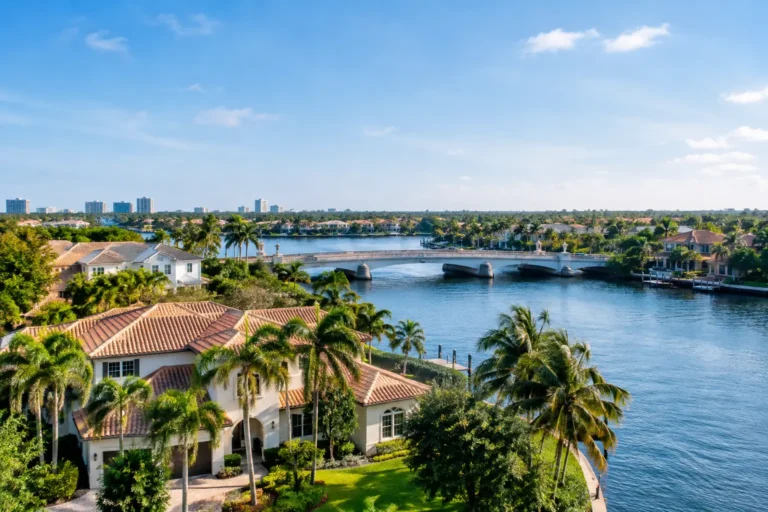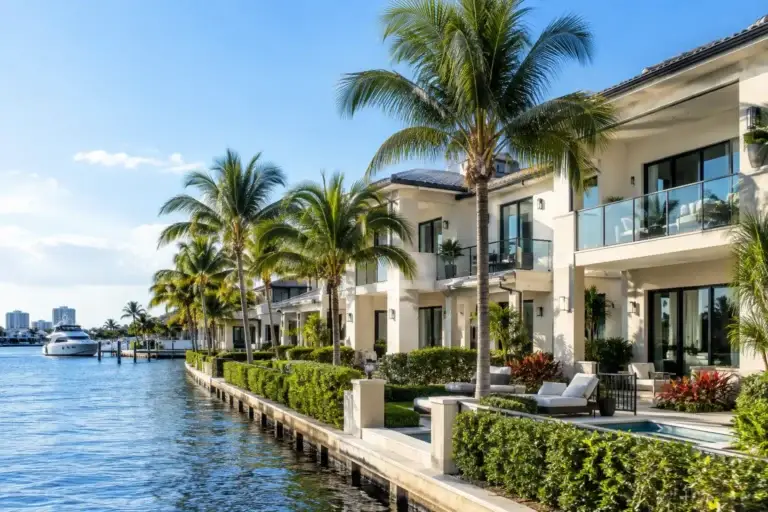
A beautiful waterfront view, a ground-floor condominium, or a home close to the beach can change the way you live in South Florida. It can also change your insurance costs, lending requirements, and long-term comfort with the property. Knowing how to verify flood zones is a practical part of due diligence, not a reason to rule out a home before you understand the full picture.
A flood-zone letter on a listing, a seller’s recollection, or a quick map search is only a starting point. The right answer comes from matching the property’s official flood designation with its elevation, construction, insurance history, and exact location within the community.
Start With the Official FEMA Flood Map
The Federal Emergency Management Agency, or FEMA, publishes Flood Insurance Rate Maps, often called FIRMs. These maps identify areas with different levels of modeled flood risk and are the primary reference used by lenders and insurers.
Search the address through FEMA’s Flood Map Service Center and review the panel for the specific parcel. Do not rely only on a colored map image from a third-party real estate site. A parcel near a zone boundary may have a different designation than the homes across the street, and a condominium building may be treated differently from a neighboring building.
The most common designations buyers see in coastal Palm Beach County include Zone X, Zone AE, and Zone VE. Zone X is generally considered a lower-risk area. Shaded Zone X indicates moderate risk, often associated with a 0.2% annual chance floodplain. Zone AE is a higher-risk area with a calculated base flood elevation. Zone VE is a coastal high-hazard area where wave action is part of the risk calculation.
These labels matter, but they do not tell the entire story. A home in Zone X can still flood from heavy rain, drainage issues, or an unusual storm event. Conversely, a properly elevated home in Zone AE may be far less concerning than an older, low-lying house with the same designation.
Confirm Whether the Map Is Current
Flood maps are revised. New studies, updated coastal modeling, drainage improvements, and changing conditions can all lead FEMA to issue revised maps. Before making a decision, confirm the effective date shown on the map panel and ask whether the community has pending map revisions.
This is especially worthwhile for homes near the Intracoastal, canals, the ocean, or low-lying areas in Boca Raton, Highland Beach, Delray Beach, and Boynton Beach. A property may have been built under a prior set of elevation standards, while its current insurance quote is based on a newer map.
For a precise determination, a surveyor, engineer, or flood-zone determination company can review the legal description and parcel boundaries. This added step can be valuable when the map line appears close to the home or when a lender’s determination conflicts with information provided by the seller.
Ask for the Elevation Certificate
If the property is in a Special Flood Hazard Area, typically Zone AE or VE, ask whether an Elevation Certificate is available. This document compares key elements of the building to FEMA’s base flood elevation. It can identify the elevation of the lowest floor, machinery and equipment, and other details insurers use to evaluate risk and price coverage.
For buyers, the certificate is often more useful than the zone label alone. Two homes on the same street may both be in Zone AE, yet one may sit substantially higher than required and another may fall below the base flood elevation. Their insurance options can be very different.
Do not assume an older certificate still tells the whole story. It should be reviewed alongside the current FEMA map and the insurer’s rating approach. If no certificate exists, obtaining one may be worthwhile before the end of an inspection period, particularly for a waterfront or older property. The cost is modest compared with discovering an unexpected insurance obligation after closing.
Understand What Your Lender May Require
If you are financing a property in a federally designated high-risk flood zone, your lender will generally require flood insurance for the life of the loan. The lender orders its own flood determination, which can occasionally differ from an online search because it is tied to the collateral address and legal parcel data.
A lender requirement is not the same thing as a complete insurance analysis. It establishes whether coverage is required, but it may not answer how much coverage makes sense, whether private flood insurance is available, or whether the policy adequately addresses your exposure.
Cash buyers have more discretion, yet waiving flood coverage simply because it is not required can be a costly decision. Flood damage is not usually covered by a standard homeowners policy. The right choice depends on the property, its elevation, proximity to water, drainage patterns, and your tolerance for out-of-pocket risk.
Get Real Insurance Quotes Before You Commit
Do not use a seller’s current premium as your estimate. Insurance pricing can change when ownership changes, when coverage limits change, or when the new policy is written under current rating methodology. A long-time owner’s policy may not translate directly to a buyer’s cost.
Request quotes early from an experienced flood insurance professional, ideally while you still have contractual options. Ask for the annual premium, deductible choices, building and contents limits, waiting periods, and whether the quote is through the National Flood Insurance Program or a private carrier.
Private insurance can be competitive for some properties, while the NFIP may be the more practical option for others. Price is only one consideration. Review the carrier’s financial strength, coverage terms, lender acceptance, and renewal expectations. For a luxury residence with custom finishes, substantial contents, or valuable ground-level improvements, standard limits may not fully match the asset you are buying.
Look Beyond the Zone: Property-Specific Questions
Flood maps model risk across broad areas. A thoughtful review of the home itself reveals details a map cannot. During inspections and conversations with the seller, ask about prior water intrusion, flood claims, drainage work, roof and exterior improvements, and any remediation completed after storms.
Pay attention to the lowest finished area. In a single-family home, is living space, HVAC equipment, electrical equipment, or storage located at ground level? In a condominium, are parking, mechanical rooms, lobby areas, and elevators vulnerable to water? Water entering common areas can lead to special assessments even when an individual residence has no direct interior damage.
The site also matters. Observe the grade, storm drains, nearby canals, seawalls, and the route water would take during a heavy rain. In gated communities, ask how the association maintains drainage systems and whether there is a history of road, gate, or common-area flooding.
Condominium Buyers Need a Second Layer of Review
For condominium buyers, flood-zone verification applies to both the unit location and the building as a whole. A high-floor residence may feel removed from flood exposure, but the association still carries responsibility for insuring and maintaining common elements.
Review the condominium’s master insurance policy, deductible, reserves, recent budgets, meeting minutes, and any planned capital projects. Ask whether the association has experienced flood-related claims, insurance nonrenewals, premium increases, or special assessments. Oceanfront and waterfront buildings can offer extraordinary lifestyles, but they require clear-eyed review of building operations, not just a view from the balcony.
Also confirm what the association’s policy covers versus what you must insure individually. Unit owners may need separate coverage for interior finishes, personal property, loss assessment exposure, and temporary living expenses, depending on the policy structure.
Use Your Inspection Period Wisely
Flood diligence works best when it is organized early. Once you are seriously considering a property, gather the FEMA designation, survey, elevation certificate if available, insurance quotes, seller disclosures, permit history, and association documents for condos or townhomes. Then review the information as one story rather than treating each document in isolation.
A home can be an excellent purchase in a higher-risk zone when its elevation, construction, insurance cost, and lifestyle value align with your goals. Another property outside a high-risk zone may still deserve caution because of poor drainage or a history of water intrusion. The goal is not to find a risk-free property. It is to understand the risk clearly enough to buy with confidence.
For a consequential purchase, especially near the coast or water, allow enough time to ask direct questions and obtain written answers. The right home should feel like a place to enjoy, not a question you carry with you after closing.