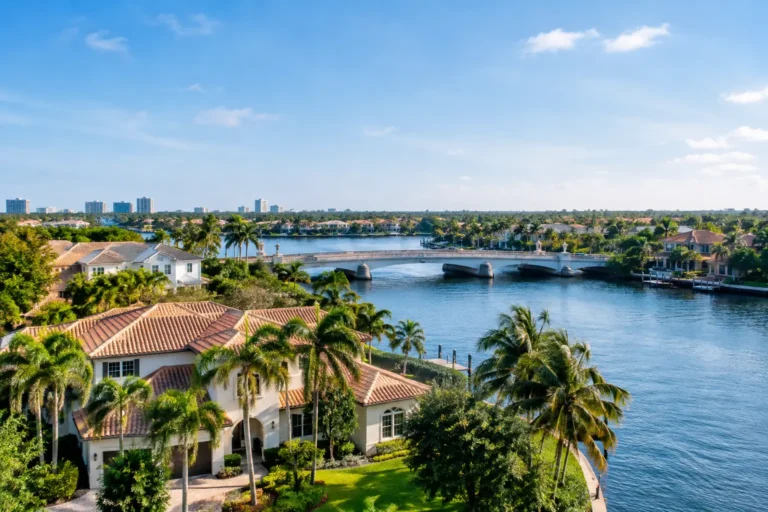
A beautiful lobby, a water view, and a renovated kitchen can make an immediate impression. But learning how to evaluate Boca condos means looking beyond the residence itself. In Boca Raton, the real value of a condominium purchase often rests on the building’s financial condition, management, insurance profile, lifestyle fit, and ability to protect your investment over time.
A condo is not simply a home with less maintenance. You are buying into a shared structure, a homeowners association, and a particular way of living. Two residences with similar square footage and asking prices can carry very different monthly costs, rules, reserve positions, and resale prospects. The right questions early in the process can prevent expensive surprises later.
Start With the Building, Not Just the Unit
A renovated unit may be appealing, but the building is the foundation of the purchase. A buyer should understand its age, construction type, recent improvements, and planned capital projects before becoming attached to a view or floor plan.
Ask what major work has been completed within the past several years and what may be next. Roof replacement, concrete restoration, elevators, plumbing risers, balconies, windows, waterproofing, and exterior painting are not cosmetic line items. They can substantially affect ownership costs and a building’s marketability.
For oceanfront and waterfront condominiums, exposure matters. Salt air, wind, and moisture are part of the lifestyle, but they also place ongoing demands on a building’s exterior systems. A well-maintained Highland Beach or Boca Raton waterfront building may command a premium for good reason. The question is whether the association has consistently invested in its upkeep or deferred work until owners face a large assessment.
Review inspections and engineering reports
For applicable older condominium buildings, structural inspections and reserve requirements have become a central part of the buying conversation. Request available milestone inspection reports, structural integrity reserve studies, engineering reports, and board materials that discuss recommended repairs.
Do not assume that an assessment is automatically a reason to walk away. An assessment tied to clearly defined, necessary work in a well-run building can be manageable. On the other hand, repeated emergency assessments, vague repair scopes, or years of deferred maintenance deserve closer review. The important distinction is whether the association has a credible plan, adequate funding, and transparent communication.
How to Evaluate Boca Condos Through the Financials
Monthly association fees are only one part of the financial picture. They should be understood in context: What do they cover, how have they changed, and is the association setting aside enough money for future obligations?
A higher fee can be reasonable in a full-service building with a staffed lobby, valet, fitness center, pool service, cable, water, security, and extensive grounds. A lower fee is not necessarily a bargain if it reflects thin reserves, limited insurance, or upcoming work that has not yet been funded.
Your review should include the association’s current budget, recent financial statements, reserve schedule, meeting minutes, insurance information, and any notices concerning special assessments or litigation. These records tell a fuller story than the listing sheet.
Pay close attention to four areas:
- Reserve funding and whether money is designated for major components such as roofing, painting, elevators, and structural work.
- Fee history, including the size and frequency of recent increases.
- Special assessments that are approved, under discussion, or anticipated.
- Delinquency levels and legal matters that could affect the association’s financial stability or financing options.
A lender may have its own standards for a condominium project, especially when financing is involved. That is another reason to investigate the association early rather than waiting until contract deadlines are near. Cash buyers should conduct the same review. Avoiding a loan does not eliminate the risk of future costs or a narrower buyer pool when it is time to sell.
Look Closely at Insurance and Hurricane Protection
Insurance has become one of the most significant ownership considerations in South Florida condominiums. Obtain a clear picture of the master policy, deductibles, exclusions, windstorm coverage, and what the association insures versus what must be covered through an individual unit owner’s policy.
A building may have a substantial deductible after a hurricane or other covered event. Understand how that deductible could be shared among owners and whether the association has funds available for it. Ask about recent insurance premium changes as well. A sharp increase can affect future budget planning and monthly fees.
Within the residence, confirm the condition and age of impact windows and doors, if applicable. Impact glass is valuable for safety, storm protection, noise reduction, and insurance considerations. If a unit does not have it, learn whether installation is permitted, what approvals are required, and whether the building has a coordinated replacement plan.
Match the Location to the Life You Want
Boca Raton condo living is highly location-specific. An oceanfront building offers a distinctly different experience from a downtown residence, a golf-adjacent condominium, or a gated community west of I-95. Price per square foot alone cannot capture those differences.
For a beach-oriented buyer, consider the practical details: direct beach access, beach service, views that are protected or vulnerable to future development, guest parking, seasonal traffic, and proximity to dining and everyday errands. For a downtown buyer, walkability to Mizner Park, restaurants, cultural venues, and the Brightline station may be more valuable than a larger balcony.
For those considering country club or golf community condominiums, clarify the membership structure before evaluating the purchase price. Some communities require membership, some offer different membership levels, and some have initiation fees, annual dues, dining minimums, or waitlists. The club experience can be a major part of the appeal, but it should be evaluated as a separate financial and lifestyle commitment.
Also consider the view from several angles. A water view may be extraordinary, but eastern exposure can bring strong morning light and wind. Western exposure can mean warm afternoons and dramatic sunsets. Lower floors may offer easier access and a more connected feeling to the grounds, while higher floors often command premium views. There is no universally better choice. It depends on how you expect to use the home.
Evaluate the Day-to-Day Experience
Amenities are meaningful only when they fit your habits. A resort-style pool, fitness center, social room, marina, tennis courts, concierge, or private beach access can enrich condo living. Yet amenities also require staffing, maintenance, and capital investment, which can affect fees.
Visit at different times if possible. A quiet weekday afternoon, a busy winter weekend, and an evening arrival can reveal very different things about guest access, elevator wait times, parking, security, noise, and community activity. Speak with management when appropriate and ask practical questions about package handling, renovation hours, move-in procedures, pet policies, rental restrictions, and guest rules.
Rental policy deserves special attention for second-home buyers. Some buildings allow leases after a waiting period, while others limit lease frequency, duration, or tenant approval. If future rental income is part of your plan, do not rely on assumptions. Confirm the current rules in writing and understand that association policies can change.
Compare the Residence Against Its True Competition
A careful condo evaluation is comparative. Instead of judging one unit in isolation, compare it with recent sales and active listings in the same building and in its most relevant competing buildings. A renovated residence may justify a higher price, but the quality of the renovation matters. So do floor height, exposure, view corridor, outdoor space, parking, storage, and the condition of the building itself.
Pay attention to recurring resale factors. In many Boca condominium buildings, a corner residence, direct ocean view, covered parking, in-unit laundry, impact glass, generous terrace, and updated systems can materially affect demand. Conversely, an unusual layout, restricted view, dated bathrooms, or limited parking can narrow the future buyer audience even when the square footage looks attractive.
This is where local perspective matters. One Thousand Ocean, The Chalfonte, Toscana, and other established luxury condominium communities serve different buyers and operate differently. A comparable price range does not make them interchangeable. Management style, privacy, amenity depth, beach access, building age, and ownership costs all shape value.
Make Your Offer With the Full Picture
Once you have identified the right residence, the contract period should be used thoughtfully. Your inspection should address the unit’s systems and finishes, while the document review should address the association and building. These are separate but equally important forms of due diligence.
A strong buyer strategy accounts for purchase price, monthly fee, taxes, insurance, projected improvements, assessment exposure, and any membership costs. It also considers the personal side of the decision: Will this home be easy to enjoy, easy to lock and leave, and compelling to the next buyer when your plans change?
The best condominium purchase is rarely the one with the flashiest staging. It is the residence where the building, financials, location, and daily experience all support the life you want to live. Before you commit, allow an experienced Boca Raton buyer representative to help you read the details behind the view and make your decision with confidence.